Looking For The Same Mentality In The Classroom As On The Court

Sports Photographer, sports pro photography, action sports, sports photos usa, sports photographers in Texas, sports photos, sports, OK3Sports, youth sports photography

By Aaron Sorenson on December 19, 2016

See what head men’s basketball coach Mike Lightfoot from Bethel College in Indiana has to say about recruiting in our coaches corner:

What do you look for when evaluating potential recruits?

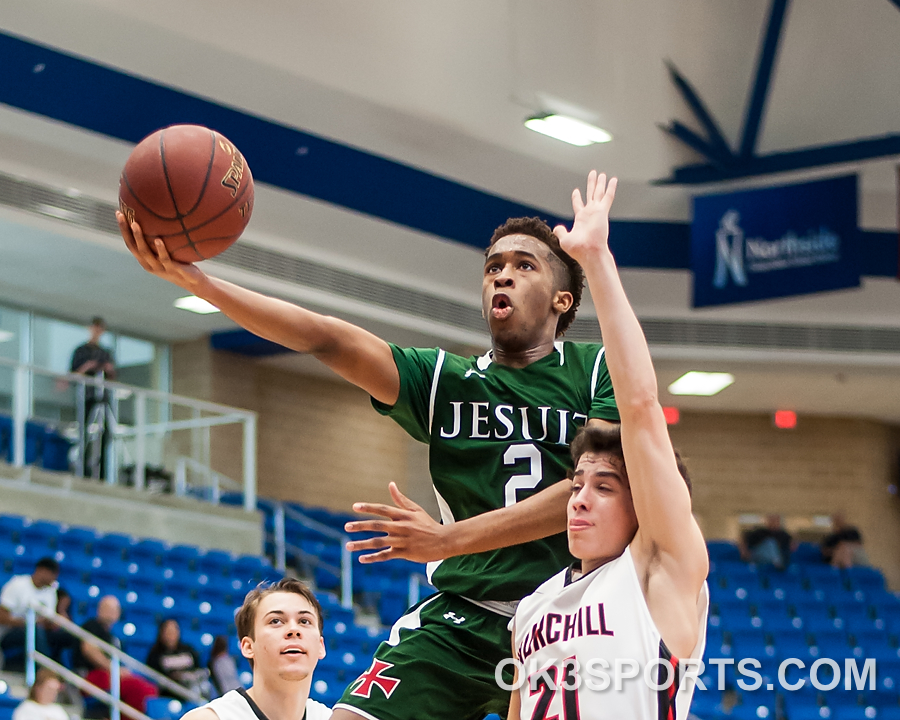
The first thing I look for in a potential recruit is his grades. I can go watch as many games of him, but it doesn’t matter how good a recruit may be if they don’t have the grades and are ineligible in college. To me, if you don’t have the same mentality in the classroom as you do on the court then I’m not particularly interested in bringing him to our institution. I also see how the recruit reacts to his teammates, his coaches and his parents. I ask myself, “Is he coachable? Is he willing to get better? Is he a leader? Will he represent our school with integrity?” These are keys in bringing in the right recruit into our program.

How do you initially reach out to a recruit?

We like to go out and watch them play. Normally it’s a very informal greeting between summer basketball games or open gyms. I introduce myself, tell them what our program is about and then let them make the decision on what is the best fit.

Discuss your 1st call strategy for a recruit:

It’s about relationships. First calls are always tough so I make them very light-hearted. I want to build that relationship with the recruit and get to know him better.

How often do you communicate with your recruits?

I’m not one for hounding recruits. They’re just kids and I try to let them experience their high school careers before it’s gone. I normally check in with them every now and then, but I do feel there is such a thing as “over-recruiting.”

How do you close a recruit when you want them to commit?

I don’t force it. I let the recruit take the time he needs with his family to make the right choice that’s best for him. This is a huge decision in anyone’s life. Getting the opportunity to work with young men at a place like Bethel is a real privilege. To see a recruit choose Bethel and then watch him mature and develop gives me great satisfaction and when you realize that these kids are finding their mission and ministry in life– that’s what makes coaching and recruiting special!”

What tips would you give coaches just getting started with recruiting?

Be patient. Do what you do best and don’t sell something that you’re not. Be straight forward and willing to answer all their questions honestly.
Article originally published by NCSA Sports

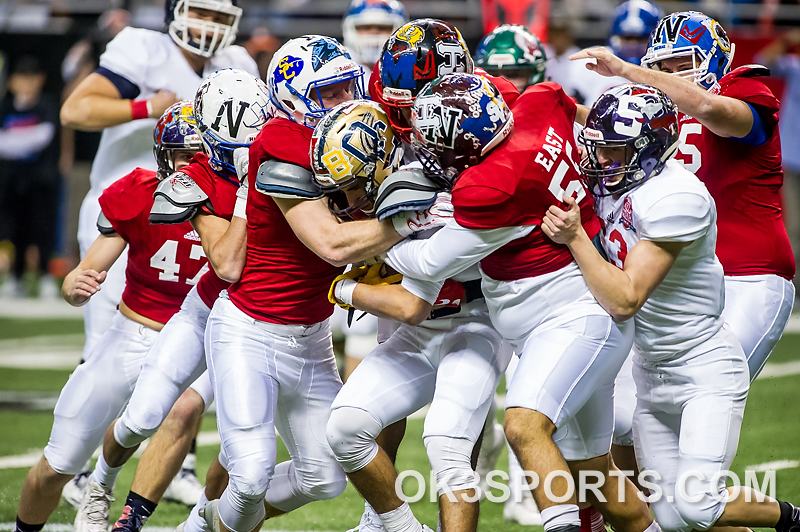
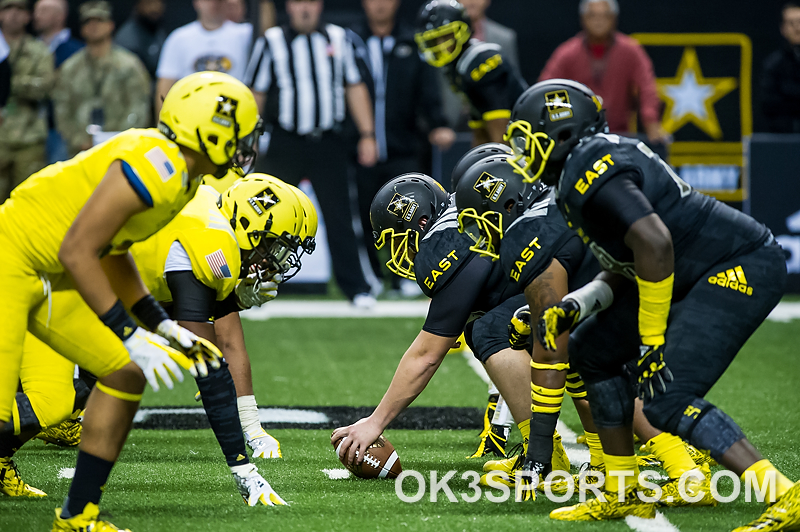
FOOTBALL: 8th Grade FBU All-American Bowl

Sports Photographer, sports pro photography, action sports, sports photos usa, sports photographers in Texas, sports photos, sports, OK3Sports, youth sports photography, ok3sports, #ok3sports #armybowl

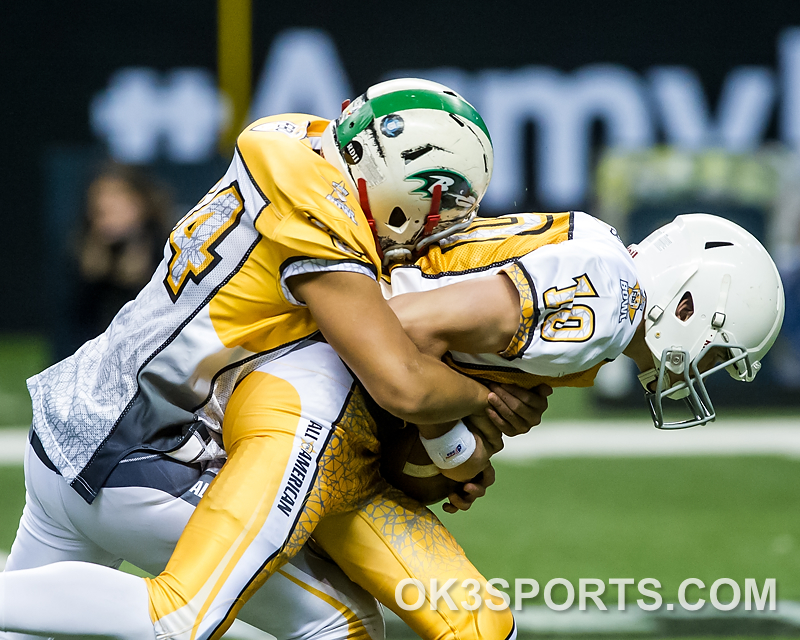
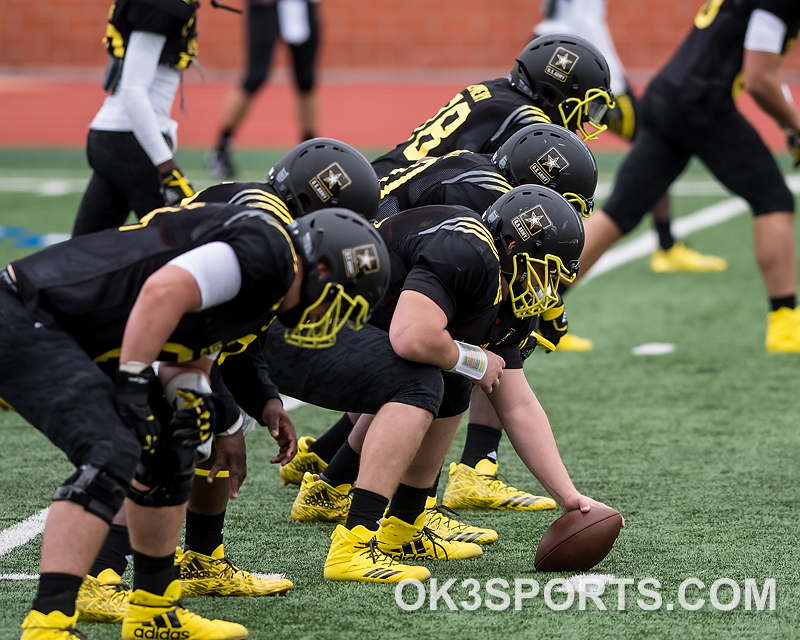
OK3Sports Football Photos: 8th Grade FBU All-American Bowl

First Look: OK3Sports Photojournalist Olen Kelley III’s raw edit from the 8th Grade All American Bowl game featuring Team Passion and Team Toughness at Alamodome in San Antonio, TX on Friday, Jan 06, 2017.ongratulations to Zion Larkins was the 8th Grade offensive MVP and Gregory Penn was the 8th Grade defensive MVP

Congratulations to Zion Larkins who was named the 8th Grade offensive MVP and Gregory Penn who was named the 8th Grade defensive MVP.

Team Passion and Team Toughness action shot’s !!!

Why Sportsmanship is Critical for Student-Athletes

Sports Photographer, sports pro photography, action sports, sports photos usa, sports photographers in Texas, sports photos, sports, OK3Sports, youth sports photography, ok3sports, #ok3sports

By Tom Johnson

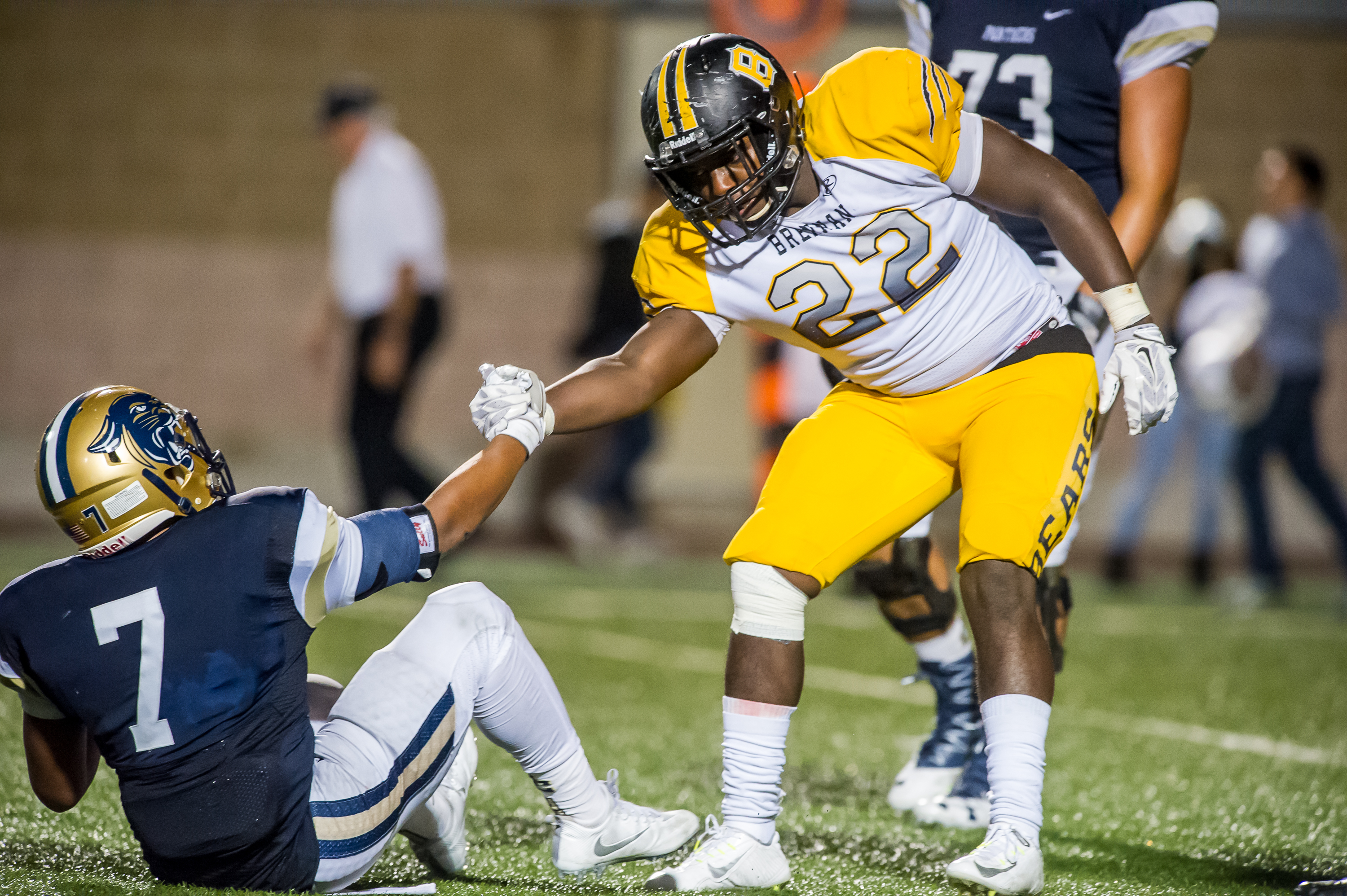
After a difficult loss, we’ve all heard our coaches or parents say, “it doesn’t matter if you win or lose, it’s how you play the game.”

At the time, these words provide very little comfort, but sportsmanship is just as important as the outcome of games. In order to address the issue of sportsmanship, many school boards across the country are trying to better educate student-athletes about how to conduct themselves on the field.

In Michigan, the governing body of prep sports – MHSAA – created a Student Advisory Council (SAC) which focuses on addressing the topics of sportsmanship, safety, scholarship and student leadership. The SAC is an exclusive committee consisting of 16 students – eight boys, eight girls, eight juniors, eight seniors – and holds four seven-hour meetings and one 24-hour leadership camp.

One of the members of this prestigious organization, Jordan Michalak, is a state championship golfer who received an athletic scholarship to The College of William and Mary.

Yet she is equally proud of her selection to the SAC as her exploits on the links. Michalak told the Observer & Eccentric:

The MHSAA gets over 100 applications for the council every year, so I was honored to be chosen to be part of this group.

As she reflects on her experience, Michalak is convinced that the greatest issue facing student-athletes is sportsmanship

Sportsmanship is a lot like character

Most people equate character to how someone acts when no one is watching. On the field of play, sportsmanship is how a student-athlete conducts themselves when a referee or coach is not paying attention. For this reason, Michalak believes that it’s very difficult to monitor poor sportsmanship in the middle of a game.

Since it is so difficult to monitor, student-athletes and institutions must do a better job at promoting sportsmanship. With more initiatives like the SAC, student-athletes can learn how to play with character by respecting the game, their opponents and becoming a more gracious loser.

Sportsmanship is more than being a good loser

Some student-athletes will explain away their bad attitude by boasting that they just really hate losing. In addition to being an infantile response, this type of logic justifies and perpetuates bad behavior.

It’s not easy to stay positive after a devastating loss, but remember that being a poor sport can have consequences for your athletic future. No college coach is going to enjoy watching video of you throwing a tantrum or trash talking. By acting out on the field, you are telling scouts and college coaches that you might not be “coachable” — and aren’t worth their time.

Even if you are supremely talented, college coaches will take you off their board for habitual bad behavior and poor sportsmanship.

In sports and in life, people of high character are much better equipped for success.

Article originally published by NCSA Sports